Car wash lane controllers manage individual wash bay operations and equipment sequencing, while queue controllers handle customer waiting areas and facility traffic flow before vehicles enter wash lanes. Lane controllers focus on the washing process itself, whereas queue controllers optimise the pre-wash experience. Both systems work together to create efficient express car wash operations from entry to exit.
What exactly are car wash lane controllers and how do they work?
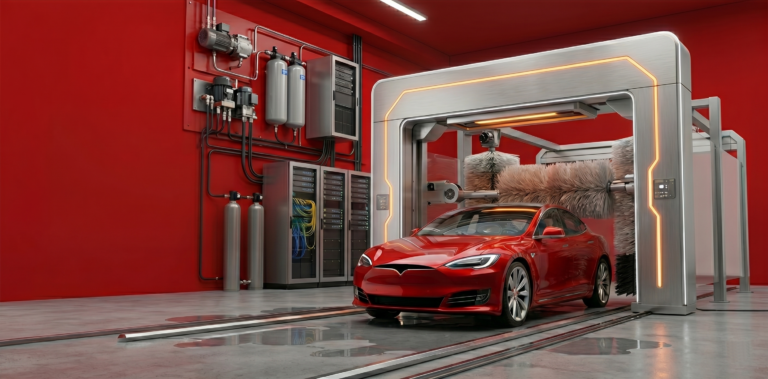
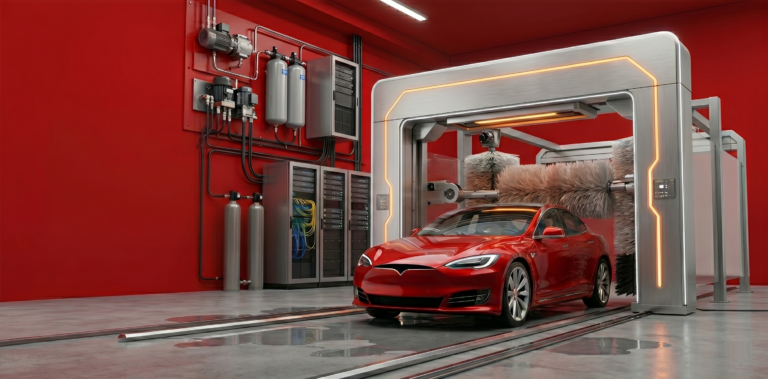
A car wash lane controller is a specialised system that manages all operations within individual wash bays, controlling equipment timing, chemical dispensing, and vehicle movement through specific wash lanes. These controllers coordinate brushes, sprayers, dryers, and conveyor systems to deliver consistent cleaning results whilst maintaining optimal throughput speeds.
Lane controllers operate through programmable logic that sequences each step of the washing process. When a vehicle enters the wash bay, sensors communicate with the controller to initiate the appropriate wash programme. The system then manages water temperature, soap application, brush positioning, and drying cycles based on the selected service level.
Modern car wash lane controllers include safety features that automatically stop equipment if irregularities are detected. They also collect operational data about cycle times, chemical usage, and equipment performance. This information helps operators identify maintenance needs and optimise wash programmes for better efficiency and customer satisfaction.
What are car wash queue controllers and why do operators need them?
Car wash queue controllers manage customer flow in waiting areas and staging zones before vehicles enter active wash lanes. These systems coordinate entry gates, payment processing, vehicle positioning, and customer communication to prevent bottlenecks and maintain smooth facility operations throughout busy periods.
Queue controllers become necessary when car wash facilities experience high customer volumes that exceed immediate lane capacity. Without proper queue management, customers face unpredictable wait times, vehicles block traffic flow, and operators struggle to maintain consistent service delivery. The controller optimises spacing between vehicles and coordinates with lane systems to maintain steady throughput.
These systems typically include digital displays showing wait times, automated entry barriers, and communication tools that guide customers through the pre-wash process. Queue controllers also integrate with payment systems and customer databases to streamline the transition from arrival to active washing. This coordination reduces customer frustration and helps express car wash operations maintain their promised speed and convenience.
What’s the main difference between lane controllers and queue controllers?
Lane controllers manage the actual washing process within individual bays, whilst queue controllers handle customer flow and staging before vehicles reach the wash equipment. Lane controllers focus on equipment operation, chemical application, and wash quality. Queue controllers prioritise traffic management, wait time optimisation, and customer experience in pre-wash areas.
The operational scope differs significantly between these systems. Lane controllers work with mechanical equipment like conveyors, brushes, and dryers to clean vehicles. They manage precise timing sequences, monitor equipment performance, and ensure wash programmes complete properly. Queue controllers handle digital interfaces, payment processing, traffic flow, and customer communication systems.
Data collection also varies between controller types. Lane controllers gather equipment performance metrics, cycle times, and maintenance alerts. Queue controllers collect customer flow patterns, peak usage times, and payment transaction data. Both controller types serve different operational needs but complement each other in creating comprehensive car wash automation that covers the entire customer journey from arrival through completion.
How do lane controllers and queue controllers work together in modern car washes?
Lane and queue controllers integrate through shared communication networks that coordinate vehicle flow from entry to exit. The queue controller prepares vehicles and customers for washing, then communicates with lane controllers to ensure smooth transitions without gaps or delays in the automated sequence.
This integration allows both systems to share real-time operational data. When lane controllers detect slower cycle times or equipment delays, queue controllers can adjust entry timing to prevent vehicle backups. Similarly, when queue controllers identify high customer volumes, lane controllers can optimise wash programmes to maintain faster throughput without compromising quality.
Modern digital car wash solutions often combine both functions into unified platforms that manage entire facility operations. These integrated solutions provide operators with centralised dashboards showing queue status, lane performance, and overall facility efficiency. The combined data helps identify operational patterns and optimise both customer flow and wash quality for improved express car wash performance.
The integration also enables predictive scheduling where queue controllers can communicate expected vehicle arrivals to lane controllers, allowing them to prepare appropriate wash programmes and maintain optimal equipment temperatures and chemical levels.
Which type of controller should you prioritise when upgrading your car wash technology?
Prioritise lane controller upgrades if your current wash quality or equipment reliability creates customer complaints or operational inefficiencies. Choose queue controller implementation when customer wait times, traffic flow issues, or payment processing bottlenecks limit your facility’s capacity and customer satisfaction during peak periods.
Evaluate your current operational challenges to determine priority. If vehicles frequently exit with inadequate cleaning, equipment breaks down regularly, or wash cycles take longer than competitors, lane controller upgrades address these foundational issues. If customers abandon queues due to long waits, traffic backs up onto public roads, or payment processing slows entry, queue controllers provide more immediate customer experience improvements.
Consider your business volume and growth plans when making this decision. High-volume express car wash operations typically benefit more from queue controller implementation because customer flow management becomes the limiting factor for revenue generation. Smaller facilities or those with quality concerns should prioritise lane controllers to ensure consistent wash results before focusing on business growth optimization.
Budget considerations also influence priority decisions. Lane controller upgrades often require more substantial investment due to equipment integration complexity. Queue controllers may offer quicker implementation and faster return on investment through improved customer throughput and satisfaction. Many operators find that addressing their most pressing operational constraint first provides the foundation for subsequent system upgrades.
Understanding the differences between car wash lane controllers and queue controllers helps operators make informed technology decisions that improve both operational efficiency and customer satisfaction. These complementary systems work together to create seamless automated experiences that modern car wash customers expect. At Superoperator, we provide integrated car wash management automation that coordinate both controller types within comprehensive car wash management platforms, helping operators optimise their entire facility performance from customer arrival through completion. Contact our team to learn more about implementing these solutions in your facility.