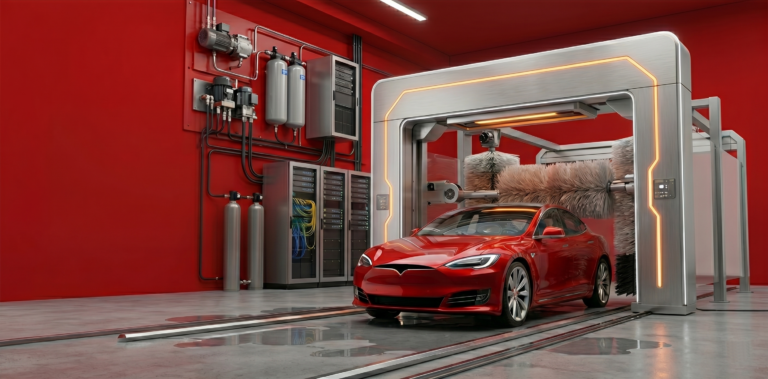
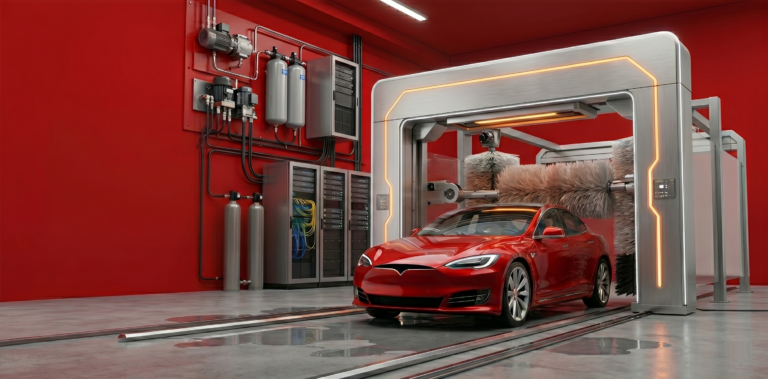
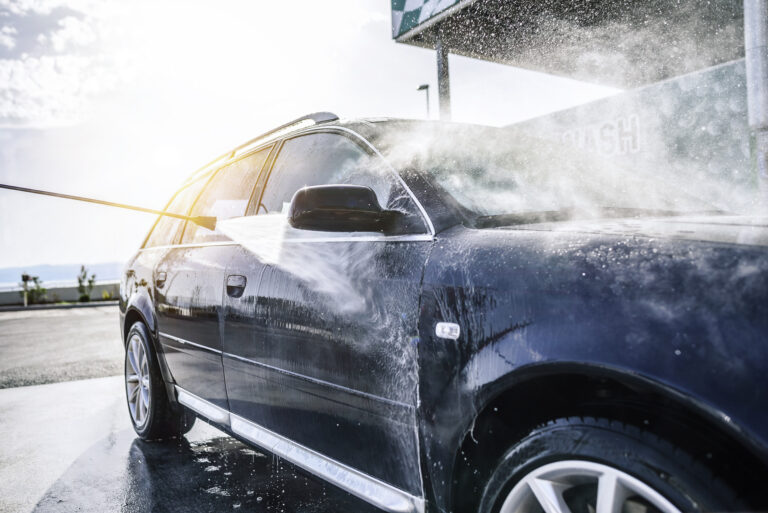
A car wash stack controller is a computerised system that manages and coordinates all equipment in an automated car wash facility. It controls the sequence of operations from vehicle entry to exit, ensuring proper timing, safety protocols, and equipment synchronisation. This system optimises wash quality while protecting both vehicles and machinery through precise automation control.
What is a car wash stack controller and how does it work?
A car wash stack controller serves as the central brain of automated car wash operations, managing equipment sequences and coordinating wash cycles. It controls everything from conveyor speed and chemical dispensing to brush movements and drying systems, ensuring each vehicle receives consistent treatment.
The controller works by receiving input signals from various sensors positioned throughout the wash tunnel. These sensors detect vehicle presence, size, and position, triggering appropriate responses from connected equipment. When a car enters the wash bay, the system automatically adjusts settings based on the selected wash package and vehicle dimensions.
The car wash lane controller operates through programmable logic that determines when each piece of equipment activates and deactivates. For example, it ensures pre-rinse nozzles turn on when a vehicle reaches the correct position, then switches to soap application at the proper moment. This precise timing prevents equipment damage and ensures thorough cleaning.
Modern stack controllers also monitor equipment performance in real-time, detecting malfunctions or blockages that could disrupt operations. They can automatically shut down problematic equipment sections whilst allowing other areas to continue functioning, minimising downtime and maintaining service availability.
What are the main components of a car wash stack controller system?
A complete car wash stack controller system includes hardware components like programmable logic controllers (PLCs), input/output modules, sensors, and control panels, plus software that manages operational logic and user interfaces. These elements work together to create a fully integrated automation system.
The PLC forms the system’s core, processing sensor inputs and controlling equipment outputs. Input modules receive signals from proximity sensors, photoelectric eyes, and pressure switches positioned throughout the wash tunnel. These sensors detect vehicle presence, equipment status, and operational conditions.
Output modules control equipment like pumps, valves, motors, and conveyor systems. The car wash queue controller manages vehicle flow and spacing, whilst communication interfaces connect the system to payment terminals, customer displays, and remote monitoring equipment.
Software components include the main control program, human-machine interface (HMI) for operator interaction, and diagnostic systems for troubleshooting. Many modern systems also feature network connectivity for remote monitoring and data collection, allowing operators to track performance and identify maintenance needs through digital car wash solutions.
Safety systems represent another important component, including emergency stops, equipment interlocks, and alarm systems. These protect both customers and equipment by immediately halting operations when unsafe conditions are detected.
How does a stack controller improve car wash efficiency and safety?
Stack controllers reduce wait times and improve consistency by automating equipment timing and eliminating human error in wash operations. They ensure optimal chemical usage, prevent equipment conflicts, and maintain steady vehicle throughput during peak periods.
The system improves efficiency by precisely controlling wash cycle timing. Instead of operators manually starting and stopping equipment, the controller automatically manages sequences based on vehicle position and wash selection. This eliminates delays and ensures maximum throughput capacity.
Express car wash operations particularly benefit from automated control, as the system can handle multiple vehicles simultaneously without operator intervention. The controller manages spacing between cars, adjusts equipment timing for different vehicle sizes, and optimises chemical usage to reduce waste.
Safety improvements include automatic equipment shutdown when vehicles stop unexpectedly, prevention of equipment operation when maintenance access doors are open, and emergency stop capabilities throughout the facility. The system also protects equipment from damage by preventing operation outside normal parameters.
Quality consistency represents another major benefit, as the controller ensures every vehicle receives the same treatment regardless of operator experience or attention level. This standardisation improves customer satisfaction and reduces complaints about inconsistent wash quality.
What’s the difference between basic and advanced car wash stack controllers?
Basic controllers manage fundamental wash sequences and safety functions, whilst advanced systems offer remote monitoring, data analytics, predictive maintenance alerts, and integration with payment and customer management systems. Advanced controllers also provide greater customisation and scalability options.
Entry-level systems typically control equipment on/off functions, basic timing sequences, and simple safety interlocks. They work well for smaller operations with straightforward wash processes and limited customisation needs. These systems usually feature basic operator interfaces and minimal data collection capabilities.
Advanced controllers include sophisticated programming capabilities, allowing complex wash sequences, variable timing based on vehicle characteristics, and integration with external systems. They often feature touchscreen interfaces, detailed reporting functions, and remote diagnostic capabilities.
Car wash express facilities often require advanced controllers to handle high-volume operations, multiple wash packages, and integration with payment processing systems. These systems can automatically adjust pricing, track customer preferences, and generate detailed operational reports through car wash marketing automation.
Scalability differs significantly between basic and advanced systems. Advanced controllers can easily accommodate facility expansions, additional equipment, and new features without complete system replacement. They also offer better long-term value through reduced maintenance costs and improved operational insights.
How do you choose the right stack controller for your car wash business?
Choose a controller based on your wash type, daily volume capacity, and growth plans. Consider equipment compatibility, available features, support quality, and total ownership costs rather than just initial purchase price. Ensure the system can handle your current needs whilst accommodating future expansion.
Evaluate your current operation’s complexity and volume requirements. High-volume express car wash facilities need robust controllers with advanced scheduling and monitoring capabilities, whilst smaller operations may function well with simpler systems that focus on basic automation and safety.
Equipment compatibility represents a critical factor, as controllers must interface properly with your existing pumps, motors, sensors, and other components. Some manufacturers offer better integration with specific equipment brands, so verify compatibility before making decisions.
Consider your technical support needs and staff capabilities. Some systems require extensive training and ongoing technical support, whilst others offer user-friendly interfaces and comprehensive documentation. Factor in training costs and ongoing support requirements when comparing options.
Future expansion plans should influence your choice, as upgrading controllers later can be expensive and disruptive. Select systems that can accommodate additional equipment, new wash packages, and integration with emerging technologies like mobile payments and customer apps to boost your car wash business.
Budget considerations should include installation costs, training expenses, and ongoing maintenance requirements, not just equipment purchase prices. Advanced controllers may cost more initially but often provide better long-term value through improved efficiency and reduced operational costs.
A well-chosen car wash stack controller transforms your operation from manual coordination to automated efficiency, improving both customer experience and business profitability. At Superoperator, we understand how digital solutions can enhance every aspect of car wash operations, helping you choose and implement technology that grows with your business needs. For expert guidance on selecting the right controller for your facility, contact our car wash specialists.