Car wash automation significantly reduces staffing requirements by replacing manual labour with technology. Most automated car washes operate with 2-4 staff members compared to 8-12 for manual operations. While automation handles washing, drying, and payment processing, human workers remain important for customer service, quality control, and equipment maintenance. The transition affects existing roles but creates opportunities for technical skill development.
What does car wash automation actually mean for daily operations?
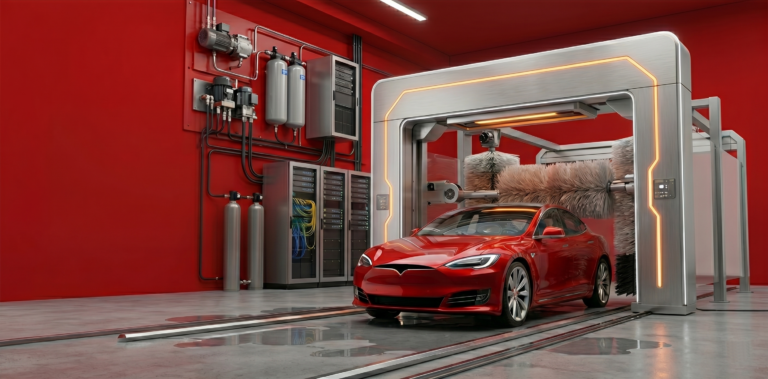
Car wash automation transforms daily operations by replacing manual processes with integrated technology systems. Automated conveyor systems move vehicles through wash cycles without human intervention, while digital payment processing eliminates the need for cash handling and manual transaction recording.
Modern automated systems include chemical dispensing equipment that precisely measures and applies cleaning solutions, water recycling systems that manage consumption and environmental impact, and car wash lane controllers that coordinate the entire washing sequence. Express car wash operations particularly benefit from these technologies, as they can process vehicles quickly and consistently.
Your daily workflow changes dramatically with automation. Instead of manually directing vehicles and operating equipment, staff focus on monitoring systems, greeting customers, and handling exceptions. Car wash queue controllers manage vehicle flow automatically, reducing the need for traffic direction. The car wash stack controller ensures proper sequencing of operations, maintaining consistent service quality throughout busy periods.
These technological improvements create more predictable operations with fewer variables dependent on human performance. You can process more vehicles with fewer staff members while maintaining consistent quality standards.
How many employees do you need for an automated car wash?
Automated car washes typically require 2-4 employees per shift, compared to 8-12 for manual operations. Staffing levels depend on facility size and service complexity, but automation dramatically reduces workforce requirements across all operational areas.
A standard express car wash setup includes one attendant for vehicle preparation and customer interaction, one supervisor monitoring the automated systems, and one maintenance person for equipment oversight. Larger facilities might add a second attendant during peak hours and additional maintenance staff for complex systems.
Manual car wash operations require attendants for each washing station, separate staff for drying, vacuum area supervision, and payment processing. Automated systems consolidate these functions, allowing fewer employees to manage higher vehicle volumes effectively.
Your staffing structure becomes more specialised with automation. Rather than general labour, you need employees comfortable with technology monitoring and customer service. This shift often results in higher-skilled positions with better compensation, even though total headcount decreases.
What happens to existing staff when you automate your car wash?
Existing staff typically transition to new roles focused on customer service, quality control, and technical monitoring rather than manual washing tasks. Retraining opportunities help employees develop skills for operating and maintaining automated systems, creating career advancement paths within your business.
Many car wash operators successfully retrain their workforce to handle technology-based responsibilities. Former washing attendants learn to operate car wash lane controllers and monitor automated systems. Customer service roles expand as staff have more time to interact with customers and address concerns.
The transition period requires investment in training programmes that teach employees to troubleshoot equipment, understand digital payment systems, and manage customer interactions professionally. Some staff members discover aptitudes for technical work they didn’t know they possessed.
Not all positions transfer directly, so honest communication about changes helps employees prepare for new responsibilities or seek opportunities elsewhere. However, many businesses find that existing employees adapt well to automated operations when provided with proper training and support.
Which car wash tasks still require human workers after automation?
Vehicle preparation, quality control, customer service, equipment maintenance, and troubleshooting remain essential human tasks in automated car washes. These functions require judgement and adaptability that automated systems cannot provide, ensuring continued employment opportunities despite technological advancement.
Vehicle preparation involves inspecting cars for damage, securing loose items, and positioning vehicles properly for automated systems. This task requires visual assessment and decision-making that technology cannot replicate reliably.
Quality control remains a human responsibility because automated systems cannot evaluate cleaning effectiveness or identify specific problem areas requiring attention. Staff members perform final inspections and address any issues before customers retrieve their vehicles.
Customer service becomes more important with automation, as staff have time to build relationships, explain services, and handle special requests. Technical troubleshooting requires human intervention when car wash express systems encounter unexpected situations or equipment malfunctions.
Equipment maintenance involves regular cleaning, parts replacement, and system calibration that requires technical knowledge and manual dexterity. These skilled positions often offer better compensation than basic washing roles.
How does automation change labour costs for car wash businesses?
Automation reduces ongoing labour expenses while requiring upfront training investments and potentially higher wages for skilled positions. Total labour costs typically decrease despite individual wage increases, as you need fewer employees to operate efficiently and process more vehicles per hour.
Your payroll expenses drop significantly when moving from 8-12 manual workers to 2-4 automated operation staff. However, the remaining positions often command higher wages due to increased technical requirements and customer service responsibilities.
Training costs represent a one-time investment in employee development, teaching staff to operate car wash queue controllers, monitor automated systems, and provide enhanced customer service. These skills often translate to better job security and advancement opportunities within your organisation.
Long-term labour cost benefits include reduced turnover rates, as automated operations typically offer more pleasant working conditions and skill development opportunities. You also gain operational flexibility, as automated systems maintain consistent performance regardless of staffing fluctuations.
The financial calculation involves comparing reduced headcount savings against technology maintenance costs and higher individual wages. Most car wash operators find that automation creates sustainable labour cost reductions while improving service quality and employee satisfaction.
Car wash automation represents a significant shift in how you manage your workforce, but it doesn’t eliminate the need for human employees entirely. The technology handles repetitive tasks while creating opportunities for staff to focus on customer relationships and technical skills. At Superoperator, we understand these workforce transitions and provide digital car wash solutions that support both operational efficiency and employee development throughout your automation journey. Whether you’re looking to boost your business performance through automation or implement car wash marketing automation strategies, we’re here to help. Contact our team today to learn more about optimizing your automated operations.