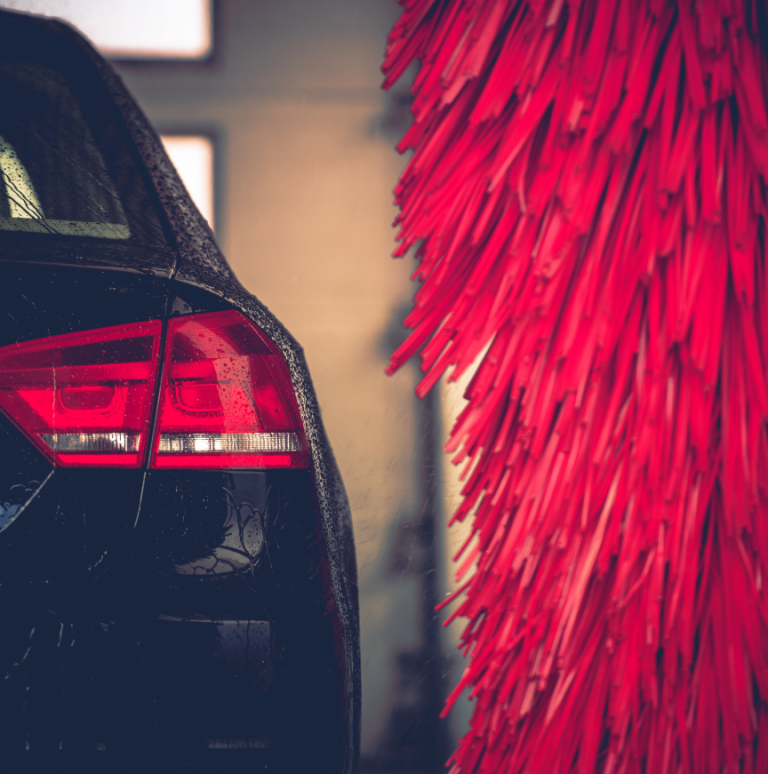
Car wash operators know the challenge well: customers visit regularly for a few months, then gradually disappear without explanation. The average car wash loses 20% of its customer base annually, often simply because people forget about the service or find alternatives that stay top of mind. Push notifications offer a direct solution to this visibility problem, creating regular touchpoints that keep your business relevant in customers’ daily routines.
Modern car wash marketing automation transforms sporadic visitors into loyal customers through strategic, timely messaging. When implemented properly, push notifications can increase visit frequency by creating new habits and responding to customer needs at precisely the right moments. The difference lies not in sending more messages, but in sending smarter ones that align with customer behavior patterns and seasonal demands.
Why car wash customers stop coming back
Customer retention challenges in the car wash industry stem from predictable patterns that operators can address with the right approach. Forgetting about services ranks as the primary reason customers reduce visit frequency. Unlike grocery shopping or fuel stations, car washing doesn’t follow a strict schedule, making it easy for customers to postpone visits indefinitely.
Lack of engagement between visits creates distance between your business and customers. Without regular communication, customers lose awareness of your services, seasonal offerings, or improvements you’ve made to your facilities. This silence allows competitors to capture attention through more visible marketing efforts or more convenient locations.
Competitive alternatives compound the problem when other car washes actively market to your previous customers. Mobile car wash services, in particular, gain traction by offering convenient services and messaging that reach customers at home or work, positioning themselves as the easier choice for busy schedules.
Poor timing of communication attempts also drives customers away. Traditional marketing methods like email newsletters often reach customers when they’re not thinking about car care, resulting in ignored messages and eventual unsubscribes.
How push notifications change customer behavior patterns
Push notifications work because they tap into immediate decision-making psychology. Unlike emails that customers check when convenient, notifications appear during daily phone usage, creating opportunities to influence behavior at optimal moments. The immediacy factor transforms car washing from a “someday” task into a “today” action.
Timing psychology plays a significant role in notification effectiveness. Messages sent on Friday afternoons or weekend mornings align with when people typically plan weekend activities, including car care. Weather-triggered notifications leverage natural motivation, reaching customers when they’re already thinking about their vehicle’s appearance after rain or during sunny periods that are perfect for washing.
The impact of personalization extends beyond using customer names. Effective notifications reference previous visit patterns, preferred services, or vehicle types to create relevant messaging. A customer who regularly purchases premium washes responds differently than someone who typically chooses basic services, requiring tailored communication approaches.
Strategic messaging influences habit formation by creating positive associations with car washing. Notifications that celebrate clean vehicles or highlight upcoming weather events help customers develop proactive car care routines rather than reactive responses to extremely dirty vehicles.
Proven notification strategies that drive repeat visits
Weather-based alerts generate immediate response rates because they align with natural customer motivation. Notifications sent before rainy periods encourage protective treatments, while sunny weekend alerts capitalize on ideal washing conditions. These messages feel helpful rather than purely promotional, increasing customer acceptance and response rates.
Maintenance reminders based on previous visit dates create structured communication that customers appreciate. A notification suggesting it’s been three weeks since their last wash provides useful information while encouraging return visits. This approach positions your business as caring about vehicle maintenance rather than simply seeking revenue.
Promotional timing that coincides with payday periods, local events, or seasonal changes improves conversion rates significantly. Back-to-school periods, holiday preparations, and summer vacation timing create natural opportunities for car care messaging that feels relevant to customers’ lives.
Loyalty program updates delivered through push notifications keep rewards visible and encourage program engagement. Notifications about points earned, rewards available, or exclusive member offers create additional value that differentiates your business from competitors without loyalty systems.
Location-based triggers activate when customers pass near your facility, capitalizing on convenience and proximity. These notifications work particularly well during commute times or when customers are already in your area for other activities, reducing the effort required to visit your location.
Timing and frequency best practices for car wash notifications
Optimal scheduling strategies balance staying visible with respecting customer preferences. Most successful car wash operators send notifications a maximum of twice per week, with at least 72 hours between messages to avoid overwhelming recipients. Weekend timing generally outperforms weekday messaging for car wash services.
Avoiding notification fatigue requires careful monitoring of customer engagement patterns. When notification open rates drop below 15% for individual customers, reducing frequency or changing message types often restores engagement levels. Some customers prefer weekly reminders, while others respond better to monthly contact.
Seasonal timing considerations affect both message content and frequency. Summer months support more frequent notifications due to increased car washing activity, while winter periods require fewer but more targeted messages focusing on salt removal or protective services.
Balancing promotional messages with service reminders maintains customer trust and engagement. A ratio of one promotional notification to two service-focused messages prevents customers from feeling oversold while maintaining commercial objectives.
Measuring notification success and visit frequency improvements
Key performance indicators for push notification success include open rates, click-through rates, and most importantly, actual visit conversions within 48 hours of message delivery. Tracking these metrics helps identify which message types and timing strategies work best for your customer base.
Analyzing customer response rates by message type reveals preferences that inform future campaigns. Weather-based notifications typically achieve 25–40% open rates, while promotional messages average 15–25%. Understanding these benchmarks helps set realistic expectations and identify underperforming campaigns.
Measuring changes in visit frequency requires comparing customer behavior before and after notification implementation. Most operators see 15–30% increases in visit frequency among customers who engage with notifications regularly, though results vary based on local competition and pricing strategies.
A/B testing notification content improves performance over time by comparing different message approaches with similar customer segments. Testing elements such as message length, call-to-action phrases, or sending times provides data-driven insights for optimization.
Calculating ROI from notification campaigns involves tracking direct revenue from notification-driven visits against the technology and time costs of campaign management. Most successful implementations show positive ROI within three months of consistent messaging.
Push notifications represent a powerful tool for increasing car wash visit frequency when implemented thoughtfully. The combination of strategic timing, relevant messaging, and careful performance monitoring creates sustainable customer engagement that drives business growth. We’ve helped numerous car wash operators implement these digital marketing strategies, transforming how they connect with customers and build lasting relationships. For guidance on implementing these strategies, contact our marketing experts.